
Founded in 1927 as Pan American Airways, this legendary airline had a key role in defining the modern air travel experience. Under the leadership of its energetic and visionary founder Juan Trippe, Pan Am not only pioneered long-haul routes across two oceans and set new standards of service, but was instrumental in the development of some of the most iconic passenger aircraft to ever take to the skies, including the Boeing 707 and the 747 jumbo jet.
For nearly 40 years, Pan Am was the most prominent US carrier internationally and a symbol of American soft power. However, a combination of questionable strategic decisions and external shocks, such as the 1970s oil crisis and the 1988 Lockerbie bombing, led to its closure in 1991.
Nevertheless, the Pan Am brand became so intertwined with the idea of a so-called Golden Era of air travel that its name remains a symbol of cosmopolitan sophistication to this day. The appeal of the Pan Am brand is such that several attempts have since been made to try to resurrect it in one form or another.
And the latest and most ambitious of them all is beginning to take shape.
In February 2024, a group of investors led by Californian entrepreneur Craig Carter bought the Pan Am trademark and its related intellectual property for an undisclosed sum, with the idea of resurrecting the legendary airline as a lifestyle brand.
The nostalgia factor
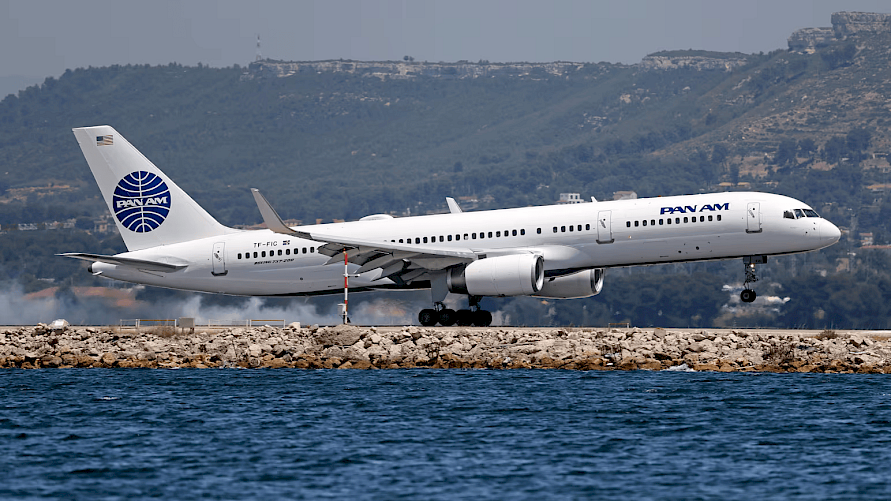
The success of the itinerary, which sold out in three days despite its price tag, has been seen by the airline’s backers as proof that the Pan Am brand still holds considerable appeal — even if few of today’s travelers were in the air during the airline’s heyday.
It also suggests that a niche group of Pan Am fanatics are willing to pay considerable amounts of money to relive the airline’s glory days.
Suggested post




Comments